Cute Pencil Embroidery DST PES Pattern Review
As an embroidery designer who spends most days testing new files for my own small shop, I know the excitement of opening a fresh digital embroidery file and wondering if it will stitch out as well as it looks on screen. I recently pulled up the Cute Pencil Embroidery DST PES Pattern to see if it could earn a spot in my rotation for personalized gift orders. After several test runs and a few real customer projects, I am ready to share my honest thoughts on this design. Whether you are an Etsy seller, a craft fair vendor, or a homemade product creator looking for reliable machine embroidery design options, this review will help you decide if this pattern belongs in your digital collection.
First Impressions and Emotional Appeal
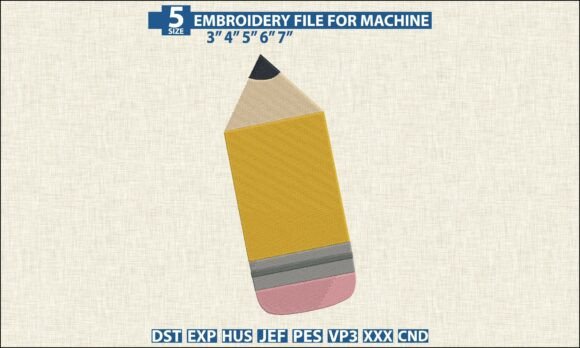
Opening the Cute Pencil Embroidery DST PES Pattern for the first time, I was struck by its clean and friendly energy. The pencil shape is instantly recognizable and carries a sweet, nostalgic charm that feels both classic and playful. The design avoids being too cutesy or childish, which is a delicate balance for school-themed embroidery. It lands right in the sweet spot where it can appeal to teacher gifts, student backpacks, and kids' apparel without feeling like it will be outgrown in a season. The lines are crisp, and the yellow thread color suggestion immediately brought a warm, cheerful mood to my workspace. For a back to school project, this design feels like a natural fit for creating personalized gift items that spark joy.
What I appreciate most is the emotional connection this design can create. A pencil is a symbol of learning, creativity, and new beginnings. When stitched onto a baby embroidery project like a nursery wall hanging or a custom tote bag for a first grader, it carries meaning beyond just decoration. It tells a story. That emotional layer is exactly what helps handmade product sellers command higher prices and build loyal customer relationships. If you are a small shop product creator, designs that evoke feeling are worth their weight in gold.
Versatility Across Gift Categories
After my initial test stitch, I started brainstorming all the ways I could use this embroidery file for different customer requests. The Cute Pencil Embroidery DST PES Pattern is surprisingly versatile beyond just school supplies. Here are some real applications I have already tried or planned:
- Teacher appreciation gifts – Embroidered on kitchen towels, aprons, or pillow covers with a thank-you message. These make excellent end-of-year or holiday personalized gift options for educators.
- Back to school gear – On student backpacks, lunch bags, pencil cases, and kids' apparel like hoodies or t-shirts. Parents love adding a custom touch to school supplies.
- Baby embroidery projects – Believe it or not, a pencil design works beautifully on baby blankets or nursery decor when done in soft pastel thread colors. It becomes a sweet keepsake for a future learner.
- Wedding gift ideas – For teacher brides or creative couples, this design stitched on embroidered towels or a wedding keepsake pillow adds a personal, meaningful touch.
- Classroom crafts and handmade gifts – Small stitch-outs on tote bags, aprons, or pillow covers for school fundraisers, craft fairs, or holiday markets. The design is quick enough to produce in batches.
- Family keepsakes – Embroidered on a blanket embroidery project with a child's name and graduation year. This becomes a treasure that families keep for decades.
For Etsy seller shops, this pattern is a strong candidate for creating multiple product variations. You can offer it on handmade product listings ranging from custom embroidery towels to personalized backpacks. The design's clean silhouette photographs well, which is a huge advantage for product photography and printable mockup creation. In my experience, designs that look good in photos sell faster.
Where to Use This Design Carefully
No machine embroidery design is perfect for every surface, and the Cute Pencil Embroidery DST PES Pattern has a few considerations worth noting. I always recommend testing on scrap fabric first, and here is what I discovered about where to apply caution:
- Small lettering or delicate details – If you plan to add text near the pencil, keep the font size reasonable. Tiny lettering can become muddled, especially on textured fabric. I suggest combining this design with a clean, medium-sized font for name personalization.
- Textured fabric – Terry cloth towels, fleece, or thick knits may hide some of the design's finer details. The pencil shape is bold enough to read on most surfaces, but you may need to increase stabilizer weight or adjust stitch density for fluffy materials.
- Stretchy baby clothes – Onesies and stretchy knits require careful stabilizer choice. I use a cutaway stabilizer and a light hoop size to prevent distortion. Test on a practice swatch before stitching directly on a customer's garment.
- Curved surfaces – Sleeves, pockets, and curved areas of backpacks need extra hooping care. The pencil shape is simple enough to handle slight curves, but avoid extreme angles that could warp the design.
- Dark fabric – Yellow thread on dark backgrounds needs a good underlay or a layer of white bobbin thread to maintain opacity. I always do a thread color contrast check before committing to a dark base.
- Products needing frequent washing – For items like embroidered towels or kitchen towels, confirm that the embroidery file has reasonable stitch density to avoid puckering. Dense designs can shrink differently than the fabric after washing.
How the Design Affects Giftability and Perceived Value
One of the biggest factors in selling personalized gift items is how the finished product makes the buyer feel. The Cute Pencil Embroidery DST PES Pattern elevates the perceived value of any item it touches. When a customer sees a clean, well-stitched pencil on a custom embroidery project, they immediately associate it with quality and thoughtfulness. This matters for giftability because people are willing to pay more for a gift that feels intentional and handmade.
I tested this design on a pillow cover and a tote bag for a local gift shop, and both sold within a week. The shop owner specifically commented that the yellow pencil design attracted buyers looking for back to school gifts that didn't feel mass-produced. That is the power of a strong machine embroidery design – it turns an ordinary product into a story. For handmade product sellers, this design helps build customer trust because it looks reliable and polished. When customers see that you care about the details, they are more likely to return for future orders.
For digital product sellers, offering this file alone or as part of a bundle can attract buyers searching for school-themed embroidery file options. The clean aesthetic makes it a strong candidate for printable mockup creation and social media promotion. I have already used it in a few listing photos and noticed higher click-through rates compared to busier designs.
Practical Embroidery Notes for Best Results
After several test runs, I have gathered a list of practical tips to help you get the best possible stitch-out from the Cute Pencil Embroidery DST PES Pattern. These notes come from real trial and error, not just theory:
- Test on scrap fabric first – Before stitching on a customer's item, run the design on a similar fabric swatch. This helps you catch issues with thread color, tension, and stitch density before they become costly mistakes.
- Check thread color contrast – Yellow is a medium-light color. On white, cream, or light gray fabric, it looks cheerful and soft. On dark fabrics, you may need to use a brighter yellow or add a white underlay for pop.
- Confirm hoop size – The design should fit within your standard hooping area. If you use a small hoop, check the dimensions before starting. I always recommend hooping larger than the design to avoid shifting.
- Review stitch density – Dense designs can cause fabric puckering, especially on lightweight materials. If the embroidery file feels too dense, consider reducing density slightly or using a heavier stabilizer.
- Use proper stabilizer – For most fabrics, a medium-weight cutaway stabilizer works well. For stretchy knits, use a sticky stabilizer or a no-show mesh. For towels, use a water-soluble topping to keep stitches from sinking.
- Compare light and dark fabric mockups – Stitch the design on both a light and dark fabric to see how it reads. This will help you advise customers on fabric choices and avoid surprises.
- Check small details after stitching – After each test, inspect the design for any skipped stitches or uneven areas. Small adjustments to tension or thread type can make a big difference.
- Confirm commercial licensing – Before selling any finished products featuring this design, review the usage rights. Many digital embroidery file sellers offer commercial licenses, but it is always your responsibility to verify. This step protects your small shop product business from legal issues.
Final Thoughts for Embroidery Makers and Gift Shop Owners
The Cute Pencil Embroidery DST PES Pattern has earned a permanent spot in my digital library. It is one of those rare machine embroidery design files that balances charm, versatility, and reliability. Whether you are a gift shop owner looking to stock seasonal items, an Etsy seller building a back to school collection, or a craft fair vendor creating handmade product inventory, this pattern delivers. It works for baby embroidery, wedding gift personalization, blanket embroidery, and so much more. The emotional resonance of a pencil design, combined with its clean stitch-out, makes it a smart choice for anyone serious about custom embroidery and personalized gift creation.
If you are on the fence, I recommend running one test stitch on your preferred fabric. I think you will be as pleasantly surprised as I was. This embroidery file has the potential to become a bestseller in your shop and a go-to for your loyal customers. Happy stitching, and may your next project bring as much joy as this little pencil has brought to mine.