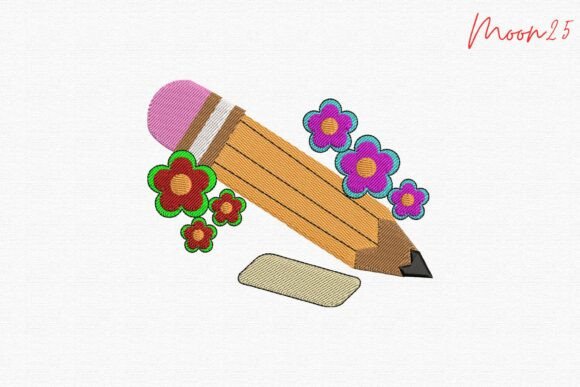
Floral Pencil Classroom Learning Accent
I have been embroidering and selling at craft fairs for over a decade, and I have learned to spot a design that will either fly off the table or sit unsold until the final hour. When I first opened the Floral Pencil Classroom Learning Accent machine embroidery design, I felt a mix of curiosity and cautious optimism. The title hints at a classic school theme, but the floral elements suggest a softer, more decorative mood. In this review, I will break down exactly how this design performs in real-world craft fair and handmade market settings, what products showcase it best, and what every embroidery business owner should check before stitching it for customers.
First Impressions at the Craft Fair Booth
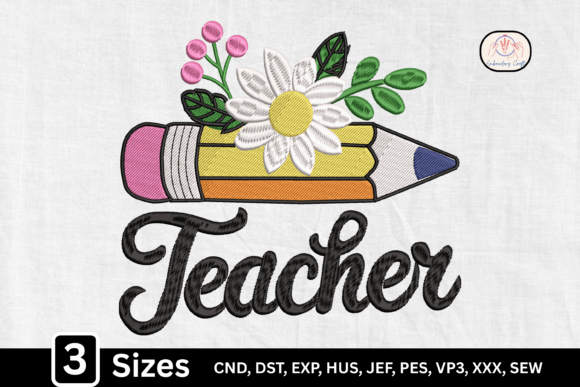
The Floral Pencil Classroom Learning Accent immediately reads as a charming, feminine take on back-to-school nostalgia. It is not loud or cartoonish, nor is it overly rustic or farmhouse. Instead, it lands somewhere between elegant and cute, with a light, airy feel that would appeal to teachers, parents, and anyone who loves floral motifs. At first glance, the pencil is unmistakable, but the surrounding flowers soften the academic theme into something giftable and decor-friendly. I can imagine this design catching the eye of a customer browsing for a teacher appreciation gift or a classroom accessory. For a craft fair seller, that is a strong starting point.
Size and Placement Considerations
One of the first things I evaluate when considering any embroidery file for my booth is whether it works as a small accent or a large focal design. The Floral Pencil Classroom Learning Accent appears to offer enough detail that it would hold its own as a central motif on a tote bag or pillow cover, but the floral elements also make it suitable as a smaller accent on a cap corner or a patch. I would recommend testing it at different sizes before committing to a product line. If the flowers become muddy or the pencil loses its shape at smaller sizes, you will want to reserve it for medium to large placements. A good rule is to stitch a sample on scrap fabric at 80%, 100%, and 120% of the default size to see where the clarity peaks.
Fabric and Texture Choices
Because this design includes both dense floral stitching and the linear shape of a pencil, fabric texture matters significantly. On smooth cotton or linen, the details will pop beautifully. On textured fabrics like tea towels or thick canvas, you may lose some of the finer petal shapes unless you use a proper stabilizer and adjust stitch density. I always tell my Etsy seller friends to test any digital embroidery file on at least three different fabric types before listing it. For the Floral Pencil Classroom Learning Accent, I would start with medium-weight cotton, then try a sturdy tote bag fabric, and finally a tea towel weight to see where the design retains its charm.
Where This Design Shines on Products
As someone who prepares a full booth of embroidered goods, I need a design that can translate across multiple product categories. The Floral Pencil Classroom Learning Accent surprised me with its versatility. It is not so niche that it only works on one item, but it does have natural homes where it performs best.
Tote Bags and Market Bags
A tote bag design is often the first thing customers grab at a craft fair, and this design is an excellent candidate. The pencil and flowers arrangement feels balanced and intentional, making it a strong conversation starter. I would stitch it centered on a natural cotton tote or slightly offset on a canvas market bag. The floral elements give it a premium, handcrafted look that justifies a higher price point. For handmade product sellers, this tote would appeal to teachers, homeschool parents, and anyone who loves stationery-themed decor.
Aprons and Kitchen Towels
An apron embroidery with this design would be a hit at back-to-school markets or craft fairs near teacher supply stores. I envision it on a half-apron in soft pastel or natural linen. The tea towel embroidery version would work beautifully as a gift set paired with a matching tote. However, I caution that tea towels often have a loose weave that can swallow fine details. Use a medium-weight cutaway stabilizer and a sharp needle to keep the stitches crisp. Test one towel thoroughly before batch production.
Embroidered Patches and Pouches
For sellers who offer embroidered patch packs or iron-on appliqués, this design has strong potential. A patch with the Floral Pencil Classroom Learning Accent could be sold individually or as part of a school-themed bundle. Small fabric pouches, like pencil cases or makeup bags, are another sweet spot. The design fits the scale of a pouch front without overwhelming it. I would use a dense satin stitch border for patches and a lighter fill for pouch fronts to maintain softness.
Caps and Pillow Covers
Curved surfaces like caps are always tricky. The Floral Pencil Classroom Learning Accent may require hoop size adjustments and careful placement to avoid distortion. I would only offer caps if the design is tested and approved on a curved surface. Pillow covers, on the other hand, are a safe bet. A throw pillow with this design would look lovely in a classroom reading nook or a child’s bedroom. The flowers add a decorative quality that elevates it beyond a simple school emblem.
Practical Production and Selling Points
When I review a design for my craft fair product lineup, I consider how easy it is to produce repeatedly and how it photographs for online listings. The Floral Pencil Classroom Learning Accent scores well on both fronts. The motif is easily recognizable at a glance, which is critical for booth displays where customers make split-second decisions. It does not require long explanation; people see a pencil and flowers and immediately think of school, creativity, and nature.
Photographing for Online Listings
For Etsy seller and small shop product listings, this design photographs beautifully when stitched on a light or medium background. The pencil provides a clear focal point, and the flowers add visual interest without cluttering the frame. I recommend using natural light and a plain backdrop to let the design speak. A printable mockup can also help customers envision the design on different items, but a real stitched sample always performs better in actual sales. If you are selling the digital embroidery file itself, include multiple mockups showing tote bags, aprons, and patches to demonstrate its range.
Careful-Use Notes for Embroidery Designers
No design is perfect for every situation, and the Floral Pencil Classroom Learning Accent has a few considerations that every commercial embroidery user should address before mass production.
Stitch Density and Fabric Texture
The floral petals and leaves may contain areas of high stitch density. On thin or loosely woven fabrics, this can cause puckering or distortion. I always advise running a test stitch on your intended fabric and inspecting the back for tension issues. If the design feels too dense, consider reducing the density in your software or using a heavier stabilizer. For handmade product sellers who want a soft drape, a lighter fill might be necessary.
Small Details and Lettering
If the design includes any small lettering or fine lines within the pencil or flowers, those details may blur at smaller sizes. I typically recommend a minimum hoop size that allows the design to breathe. For the Floral Pencil Classroom Learning Accent, I would avoid shrinking it below 4 inches in width to preserve the integrity of the pencil shape and flower petals. Test a small version on a cap or patch before committing to that size.
Dark Fabric and Thread Contrast
On dark fabric, the design may require a white or light underlay to prevent the background from showing through. The pencil itself needs clear contrast to remain readable. If you stitch on navy or black, choose thread colors that pop: bright yellow for the pencil, white or pastel for the flowers. I always tell my students to check thread colors against the fabric in natural and artificial light before stitching a batch.
Embroidery Designer’s Checklist Before Production
Before you turn the Floral Pencil Classroom Learning Accent into finished products for your next craft fair, run through this checklist I use for every new machine embroidery design:
- Test on scrap fabric at three different sizes to find the sweet spot.
- Check thread contrast against your intended fabric colors.
- Review spacing between elements to ensure no overlapping or gaps.
- Confirm hoop size matches the design dimensions without crowding.
- Inspect stitch density and adjust if the fabric requires it.
- Use the right stabilizer — cutaway for knits and towels, tearaway for stable wovens.
- Create at least one real mockup on the actual product you plan to sell.
- Compare fabric colors to ensure the design stands out, not blends in.
- Confirm commercial licensing before selling finished products, if the file seller requires it.
If the design source did not provide exact stitch count, file format, or specific hoop size recommendations, contact the seller or test thoroughly before using it in paid orders. As a craft fair veteran, I cannot overstate the importance of testing. A single flawed batch can cost you time, materials, and customer trust.
The Floral Pencil Classroom Learning Accent is a versatile and appealing embroidery design that fits naturally into the School category while offering enough floral charm to attract a broad audience. For handmade product sellers, it works beautifully on tote bags, aprons, patches, pouches, and pillow covers. With proper testing and attention to stitch density, fabric choice, and thread contrast, this design can become a reliable addition to your craft fair product lineup. I recommend creating a sample, displaying it prominently at your next booth, and watching how customers respond. In my experience, designs that blend familiar symbols with decorative beauty are the ones that keep customers coming back to your table.